
Remote sensing
The science of gathering data about the Earth's surface without making direct physical contact is known as remote sensing
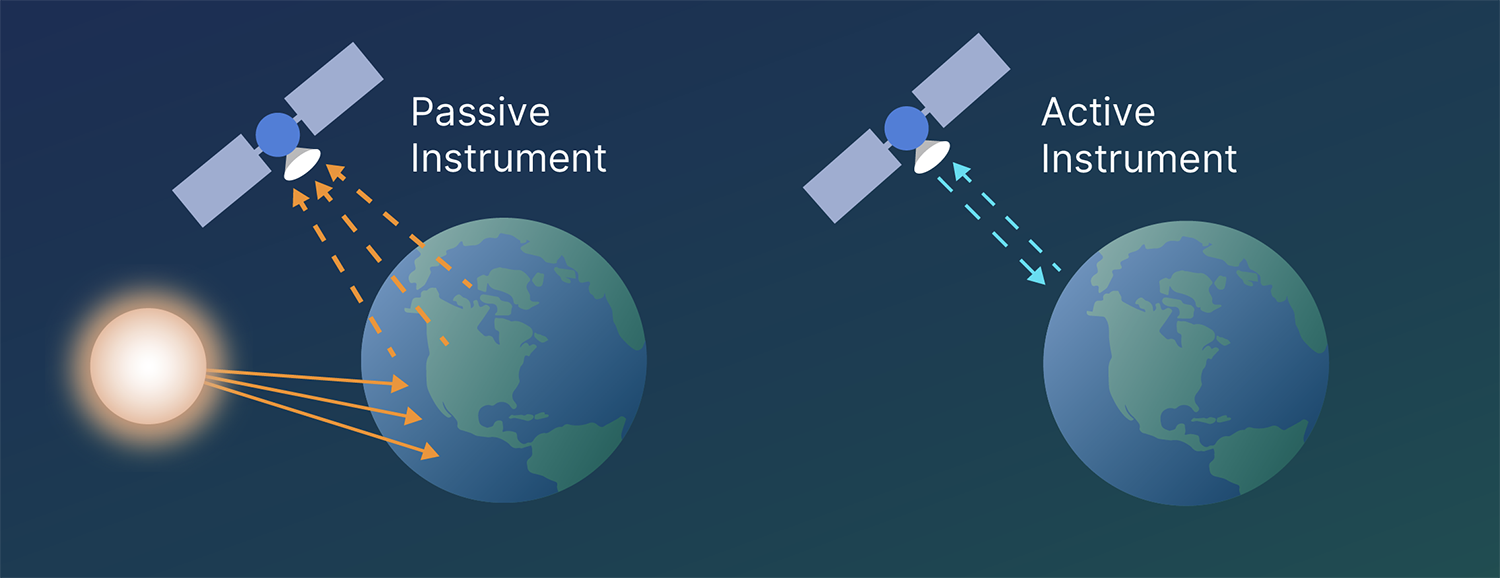
Passive and active energy sources are a basic approach to classifying remote sensing systems. Remote sensing is useful for environmental monitoring, disaster response, resource management, and countless other applications.
Both active and passive sensors are deployed on various platforms, including satellites, which orbit the Earth at different altitudes (e.g., low Earth orbit), and aerial platforms like airplanes and drones, which offer more localized and often higher spatial resolution data acquisition.
Types of resolutions
Remote sensing systems can be classified based on their spatial, spectral, temporal, and radiometric resolutions.
Spatial
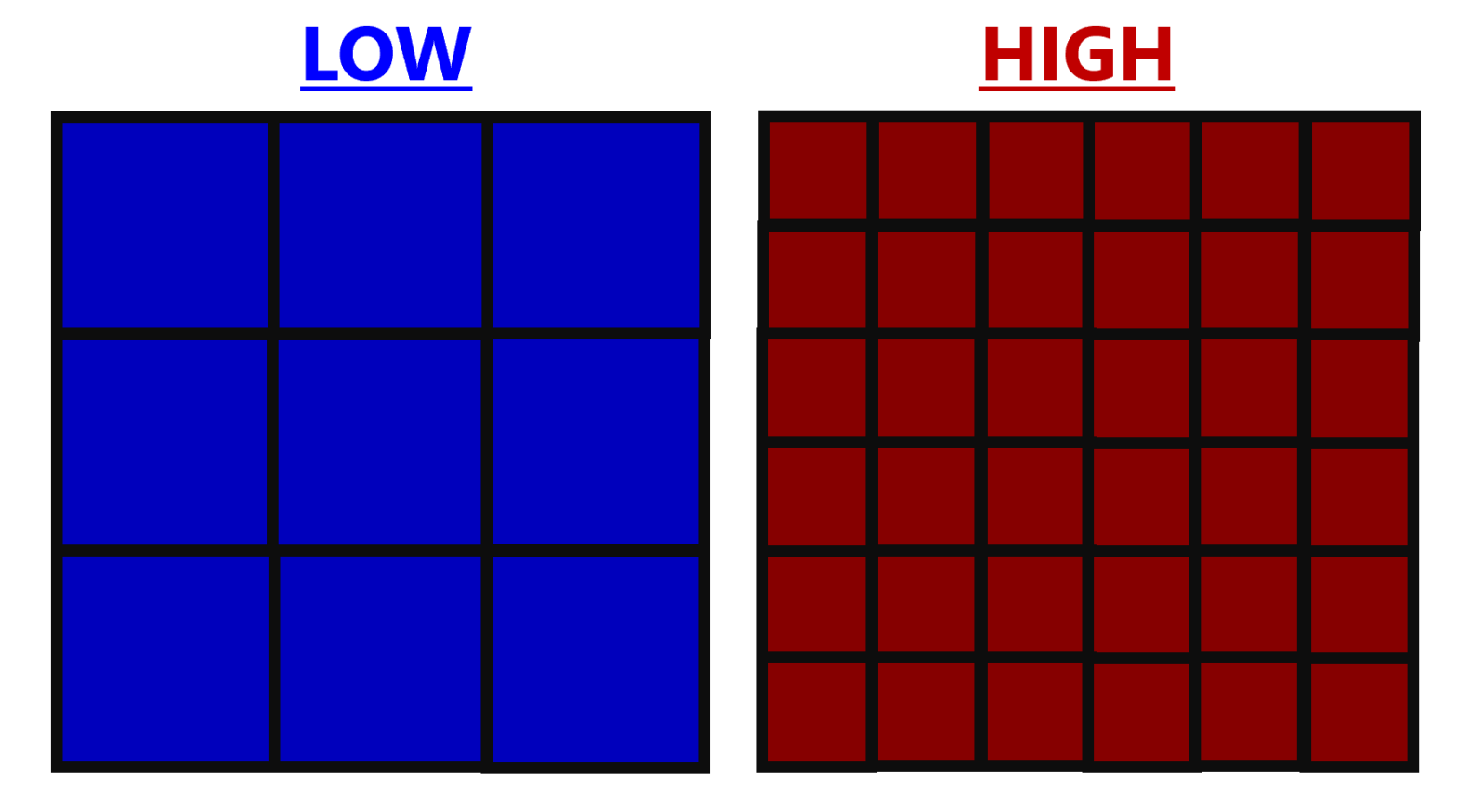
Spatial resolutionIt is frequently described in terms of the smallest distinguishable feature on the ground. Higher spatial resolution shows finer detail and smaller resolvable objects.
You can consider an image to be composed of a grid of pixels. Each pixel within an image represents a small square of the ground surface. While the spatial resolution of a sensor remains constant, the pixel size can be adjusted to represent either smaller or larger ground areas. The low resolution grid below is composed of fewer, larger cells/pixels, meaning each pixel covers a larger area on the ground. This results in less detail, making it harder to distinguish between smaller features.
Spectral
Spectral resolutionThis allows for the identification of materials using distinctive spectral signatures. The particular features or materials being observed—such as differentiating bodies of water or examining human infrared emissions—determine the optimal spectral resolution.
Radiometric
Radiometric resolutionA sensor with finer radiometric resolution is more sensitive to subtle variations in reflected or emitted energy. This characteristic is directly related to the sensor's bit depth
Temporal
Temporal resolutionTemporal resolution is influenced by the sensor's swath width, configuration, and orbital characteristics.
Passive remote sensing
Passive remote sensing systems detect Earth-emitted or reflected electromagnetic radiation, with sunlight and thermal being the primary natural energy sources.
Natural energy sources
Sunlight
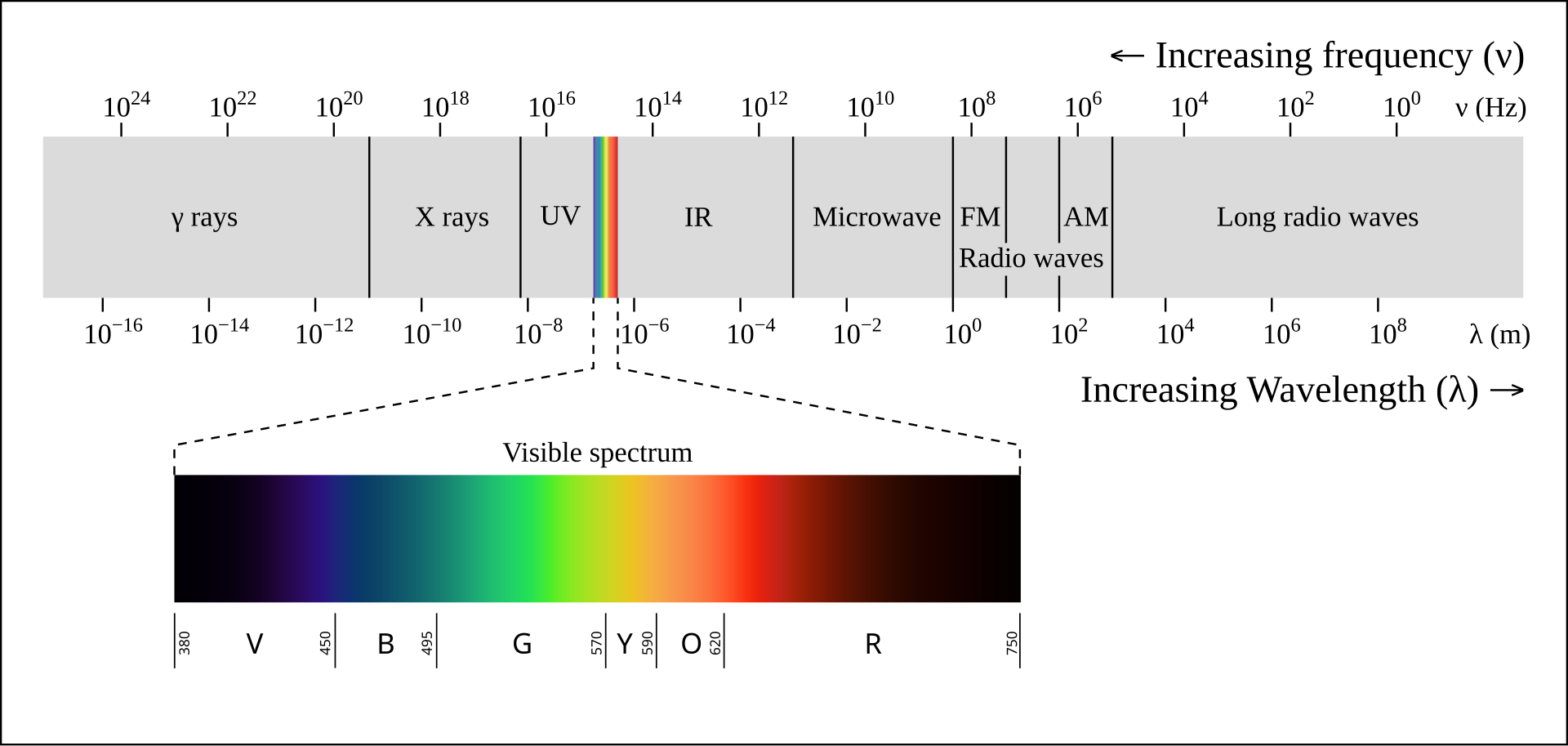
The sun is the primary energy source for passive remote sensing, emitting a wide spectrum of electromagnetic radiation, including white light. Passive sensors measure the reflection of this sunlight from surface features. However, sunlight has limitations such as time-of-day constraints and cloud coverage, which make it unsuitable for continuous data acquisition. Longer wavelengths like infrared and microwave can mitigate these issues, but their energy is weaker, resulting in lower spatial resolution.
Thermal energy
Earth emits thermal infrared electromagnetic radiation due to its temperature, allowing passive sensors to map temperature variations across its surface. This information helps understand phenomena like urban heat islands, volcanic activity, and ocean currents.
Sensors
Passive remote sensing systems use various types of sensors to capture different parts of the electromagnetic spectrum, each suited for specific applications.
Multispectral
Multispectral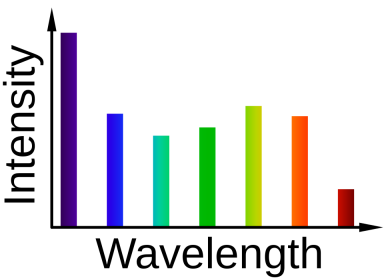
Hyperspectral
Hyperspectral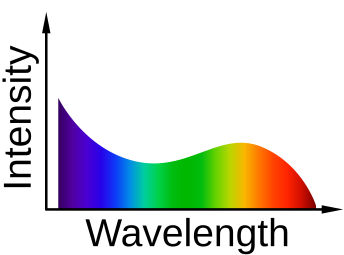
Thermal imaging
Thermal imagingActive remote sensing
Active remote sensing systems generate their own source of electromagnetic energy and measure the energy that is reflected or backscattered from the Earth's surface, making them particularly valuable for nighttime observations or in areas with persistent cloud cover. Key examples of active remote sensing technologies include
LiDAR
LiDAR- High energy (short wavelength, high frequency) and cannot penetrate aerosol
- Can be used for topographic mapping, vegetation analysis, and urban planning
RADAR
RADAR- Low energy (long wavelength, lower frequency) and can penetrate aerosol
- Can be used for surface moisture estimation, and precipitation monitoring
SAR
SAR- High resolution through motion and able to penetrate clouds
- Can be used for topographic mapping and land cover classification
Applications of remote sensing
Remote sensing data, acquired through both passive and active means, enables a wide range of applications, including land cover classification, the Normalized Difference Vegetation Index
Explore the urban heat island effect in Montreal, Quebec
The urban heat island (UHI) describes the common phenomenon of urban areas being warmer in temperature than their semirural surroundings, though the presence of significant canopy cover and green infrastructure in some cities can lessen or counteract this effect (i.e., cool islands).
In the example below, the City of Montreal is shown to have a significant UHI effect, with the hottest areas (in red) being located in the downtown core and other densely populated areas. The data used for the 2020 UHI GeoJSON vector layer was sourced from Données Québec. Vector data is easier to work with for this kind of thematic mapping on the web.
However, for analyzing the UHI, surface thermography is crucial to maps heat patterns. Données Québec, for example, created Montreal's heat island maps by combining surface thermography, and LiDAR. LiDAR airborne and satellite imagery provided the City of Montreal's digital surface model (DSM)
High quality TIFF raster images are essential for in-depth spatial analysis of heat distribution and change detection, allowing principal component analysis to compare thermal behavior over time, but they are less suitable for interactive web-based demonstrations than vector data.
This is more apparent when you look at an imprecise geo-rectified image of Montreal West's surface thermography taken at night in 2016, shown below.
Test your knowledge
Which of the following is an example of an active remote sensing system?